Modern Bathroom Design Premium Shower Cubicles
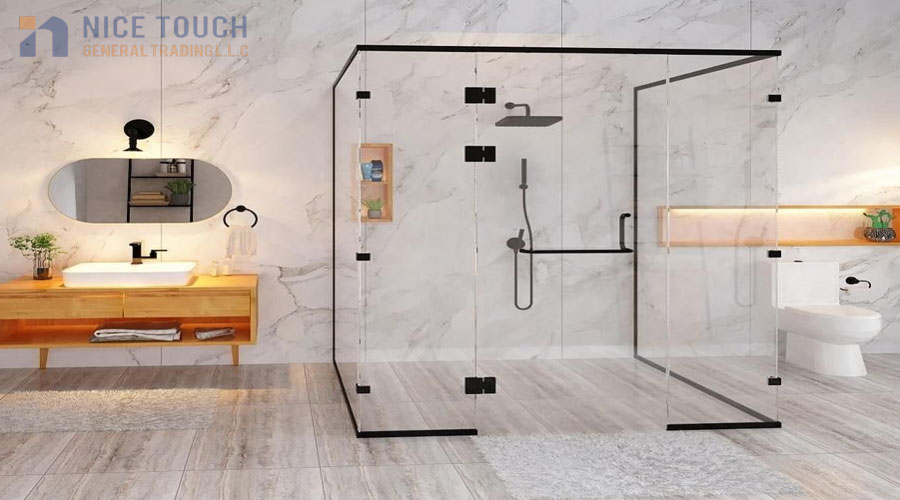
Upgrading a residential or commercial bathroom requires balancing aesthetic elegance with daily practical functionality. In humid climates like the United Arab Emirates, bathroom fixtures and surfaces face continuous exposure to water, moisture, temperature changes, and heavy usage. Selecting high-quality, moisture-resistant materials for shower enclosures and vanity countertops is essential to maintaining clean, durable, and luxurious interiors over time.
In this guide, we explore modern shower cubicle designs, compare top materials for bathroom vanity countertops, and highlight what to consider when outfitting residential spaces or commercial properties across the UAE.
Choosing the Ideal Shower Cubicle in the UAE
A well-designed shower cubicle transforms a standard bathroom into a sleek, functional sanctuary while efficiently containing water within wet zones.
Key Types of Modern Shower Enclosures
- Frameless Glass Cubicles: Frameless designs utilize thick, heavy-duty tempered glass secured with minimal hardware. They create an open, spacious visual flow, making smaller bathrooms look significantly larger.
- Semi-Frameless Enclosures: Featuring metal framing along outer structural edges while keeping doors frameless, these options offer a strong balance between structural support and contemporary style.
- Sliding Door Cubicles: Ideal for compact spaces where outward-swinging glass doors are impractical. High-quality roller mechanisms ensure smooth, quiet operation.
- Hinged & Pivot Door Enclosures: Perfect for spacious master bathrooms, providing wide opening access and a classic, premium finish.
Benefits of Quality Shower Glass
- Toughened Safety Glass: Heat-treated tempered glass (typically 8mm to 10mm thick) resists impact and thermal stress.
- Easy-Clean Coatings: Hydrophobic surface treatments resist water spots, soap scum, and limescale buildup, making routine cleaning simple.
- Corrosion-Resistant Hardware: Stainless steel (Grade 304/316) or solid brass fittings prevent rust and corrosion caused by constant exposure to moisture.
If you are planning a bathroom renovation or fitting out a new project, exploring custom glass options at Shower Cubicle gives you access to tailored shower cubicle installations designed for modern homes and commercial spaces across the UAE.
Selecting the Best Countertop for Bathroom Vanities
Choosing the right material for a bathroom vanity top depends on durability, moisture resistance, maintenance requirements, and visual appeal.
Top Countertop Materials Compared
- Quartz (Engineered Stone)
Quartz is widely considered the overall best type of countertop for bathroom vanities due to its non-porous nature and exceptional durability.
- Pros: Highly resistant to stains, moisture, scratches, and bacterial growth; requires no periodic sealing; available in a wide array of colors and marble-like patterns.
- Cons: Sensitive to extreme direct heat (such as hot styling irons placed directly on the surface).
- Granite (Natural Stone)
Granite provides unique natural beauty with distinct veining and rich patterns, adding high luxury value to master bathrooms.
- Pros: Highly durable, scratch-resistant, and heat-tolerant.
- Cons: Porous natural stone that requires periodic sealing to protect against moisture absorption and water staining.
- Solid Surface (Acrylic/Polyester Composites)
Solid surface materials offer smooth, seamless integration with molded sinks, creating a clean and modern appearance.
- Pros: Non-porous, highly hygienic, completely seamless appearance, and minor scratches can be sanded out easily.
- Cons: Lower heat resistance compared to natural stone and quartz.
Commercial Bathroom Countertops for High-Traffic Facilities
Equipping commercial restrooms—such as those in hotels, office towers, shopping malls, restaurants, and airports—demands materials that withstand continuous heavy usage while staying easy to maintain.
When selecting commercial bathroom countertops, facilities managers should prioritize:
- Non-Porous and Hygienic Surfaces: Non-porous materials like quartz or solid surface prevent water penetration, mold buildup, and bacteria accumulation in public washrooms.
- Integrated Sinks and Undermount Basins: Seamless undermount or integrated trough sinks eliminate narrow crevices where dirt and grime accumulate, making cleaning fast and efficient for maintenance staff.
- Stain and Chemical Resistance: Commercial surfaces must withstand frequent exposure to soap, hand sanitizers, cosmetics, and industrial cleaning agents without fading or etching.
- Vandalism and Impact Resistance: Durable engineered materials resist chips and heavy impacts, reducing long-term repair and replacement costs.
Practical Tips for Bathroom Maintenance
To keep your shower cubicles and vanity tops looking brand new:
- Squeegee After Use: Use a glass squeegee on shower doors after every use to prevent water spots and mineral buildup.
- Use pH-Neutral Cleaners: Avoid harsh acidic or abrasive cleaning chemical agents on natural stone and quartz surfaces to protect their polish and sealants.
- Wipe Stains Immediately: While materials like quartz resist staining, wiping away soap residues and cosmetics promptly preserves surface shine.
Frequently Asked Questions (FAQs)
Q1: What thickness of glass is best for a shower cubicle?
Answer: A glass thickness of 8mm to 10mm tempered safety glass is recommended for frameless and semi-frameless shower cubicles to ensure maximum structural stability, safety, and durability.
Q2: Which countertop material is the most hygienic for bathrooms?
Answer: Quartz and solid surface materials are the most hygienic options because they are non-porous, meaning bacteria, mold, and liquids cannot penetrate the surface.
Q3: Is quartz better than marble for a bathroom vanity top?
Answer: Yes, for most users quartz is more practical than marble. While natural marble is beautiful, it is porous and prone to staining, etching, and water damage unless sealed regularly. Quartz offers similar luxury aesthetics without requiring regular sealing.
Related posts