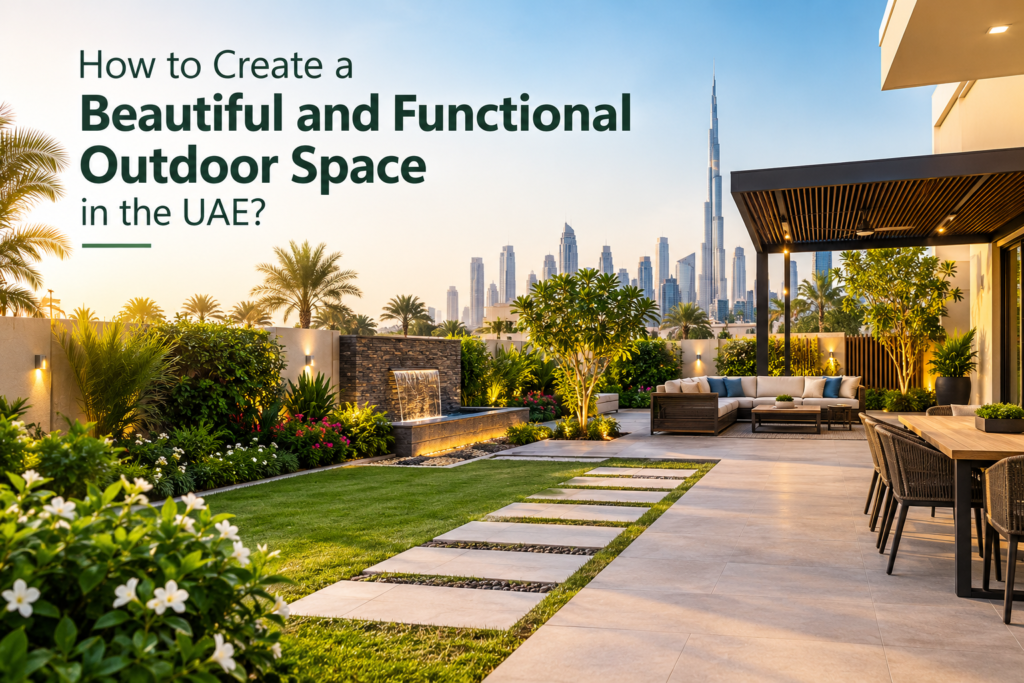
How to Create a Beautiful and Functional Outdoor Space in the UAE?
Outdoor spaces have become an important part of modern residential and commercial properties across the UAE. From elegant villa gardens to landscaped hotel entrances and community parks, a well-designed outdoor environment can improve visual appeal, functionality, and the overall experience of a property. However, creating a successful landscape in Dubai requires careful planning, suitable materials, and an understanding of the local climate.
Combining greenery, pathways, seating areas, lighting, and efficient irrigation can transform an ordinary outdoor area into a welcoming environment. Whether you are planning a new garden or upgrading an existing property, understanding the principles of soft and hard landscaping will help you make informed decisions.
Understanding Soft Landscaping and Its Benefits
Soft landscaping involves the living elements of an outdoor environment, including trees, shrubs, lawns, flowers, ground covers, and other plants. These elements add colour, texture, and natural beauty while helping create comfortable outdoor spaces.
Professional soft landscaping UAE services focus on selecting plants that suit the local climate, soil conditions, available sunlight, and water requirements. Since the UAE experiences high temperatures and limited rainfall, choosing suitable plant varieties is essential for maintaining a healthy landscape throughout the year.
Choosing the Right Plants for the UAE Climate
Plant selection plays a major role in landscape performance. Native and drought-tolerant plants can be practical choices because they are generally better adapted to local environmental conditions. Palms, selected shrubs, succulents, and other heat-tolerant varieties can add visual interest without demanding excessive maintenance.
Before planting, professionals should assess soil quality, drainage, sunlight exposure, and the available irrigation system. Preparing the soil properly and allowing enough space for plants to grow can also support long-term results.
Creating Green and Sustainable Gardens
A sustainable garden combines attractive planting with responsible water management. Drip irrigation, suitable ground covers, mulching, and climate-appropriate plants can help reduce unnecessary water consumption.
For residential gardens, greenery can create a peaceful setting for relaxation and outdoor gatherings. In commercial developments, thoughtfully designed planting can improve the appearance of entrances, walkways, courtyards, and shared spaces.
Why Hard Landscaping Is Essential for Outdoor Design
While plants provide natural beauty, hard landscaping creates the structure that makes an outdoor area practical and accessible. It includes non-living features such as paved pathways, patios, decks, retaining walls, pergolas, fences, outdoor furniture, and landscape lighting.
Professional hard landscaping Dubai solutions can help property owners organise outdoor areas into clearly defined spaces for movement, recreation, and relaxation.
Selecting Durable Landscaping Materials
Material selection should consider Dubai’s climate, expected foot traffic, safety, maintenance requirements, and the overall design of the property.
Common options include:
- Paving and stone: Suitable for pathways, patios, entrances, and outdoor seating areas.
- Wooden decking: Creates a warm appearance around gardens, terraces, and selected poolside areas.
- Pergolas and shade structures: Provide shade and make outdoor spaces more comfortable.
- Outdoor lighting: Improves visibility and highlights architectural and landscape features.
- Fences and boundaries: Help define outdoor zones and support privacy where required.
Materials should be selected for their durability, heat resistance, slip resistance, and suitability for outdoor installation. Proper drainage and professional installation are equally important for achieving reliable results.
Balancing Functionality and Visual Appeal
A well-planned landscape should look attractive while meeting the needs of its users. For example, a villa garden may require a lawn, shaded seating area, and stepping-stone pathways. A commercial property might need accessible walkways, durable paving, outdoor furniture, and clearly defined pedestrian routes.
An experienced landscaping team can coordinate these elements to create a consistent design without overcrowding the available space.
How to Choose a Softscape Contractor in Dubai
Selecting the right Softscape contractor Dubai property owners can rely on involves more than comparing quotations. The contractor should understand local growing conditions, landscape design principles, irrigation requirements, and the practical needs of the property.
Consider the following factors before making a decision:
- Relevant experience: Review previous residential, commercial, or public landscaping projects to understand the contractor’s capabilities.
- Plant selection expertise: Ensure the team can recommend suitable plants based on sunlight, soil, water availability, and maintenance expectations.
- Irrigation planning: Efficient irrigation is essential for maintaining healthy plants while managing water use.
- Material and workmanship quality: Ask about planting methods, installation standards, material specifications, and drainage arrangements.
- Project planning: A clear scope of work, realistic timeline, and transparent quotation can help prevent misunderstandings.
- Maintenance support: Find out whether ongoing landscape and irrigation maintenance is available after installation.
Choosing a qualified contractor from the beginning can help reduce avoidable maintenance issues and improve the long-term performance of the outdoor environment.
What Makes a Landscaping Company the Right Choice?
Finding the best soft landscaping company Dubai offers for a particular project depends on the property’s requirements, the proposed design, and the contractor’s ability to deliver a complete solution.
Look for a company that understands both the visual and technical aspects of landscaping. The team should be able to coordinate planting, irrigation, paving, lighting, and outdoor structures where these services are required.
It is also helpful to assess how the contractor approaches budgeting, scheduling, material selection, and communication. Reviewing completed projects and discussing maintenance requirements before work begins can help you make a more informed decision.
Phoenician UAE provides landscaping solutions that include soft landscaping, hard landscaping, and irrigation, alongside other outdoor development services. Its service portfolio supports projects that require coordinated planning of greenery, functional outdoor features, and water management.
Combining Soft and Hard Landscaping for Better Results
The most effective outdoor designs integrate living and structural elements rather than treating them as separate features.
For example, a paved pathway can lead through planted borders towards a shaded seating area. Trees can provide natural shade, while carefully positioned lighting helps make pathways more usable after sunset. Irrigation systems can support planting areas without interfering with the function of paved surfaces.
For larger developments, early coordination between landscape designers, engineers, and contractors can help address drainage, access, irrigation routes, and material installation before construction begins.
This integrated approach can improve the appearance, usability, and maintainability of outdoor spaces across villas, residential communities, hotels, and commercial properties.
Conclusion
Creating an attractive outdoor environment in the UAE requires a balance between design, durability, and sustainability. Soft landscaping introduces greenery and natural character, while hard landscaping provides structure, access, and practical outdoor features. Together, these elements can transform gardens, terraces, and commercial landscapes into functional spaces suited to local conditions.
By choosing suitable materials, selecting climate-appropriate plants, planning efficient irrigation, and working with an experienced contractor, property owners can create outdoor environments that remain appealing and practical over time. Careful planning from the beginning helps ensure that the finished landscape meets both aesthetic expectations and everyday needs.
Frequently Asked Questions
1. What is soft landscaping?
Soft landscaping includes living elements such as trees, shrubs, flowers, lawns, and ground covers. It adds greenery, colour, and natural texture to residential and commercial outdoor spaces.
2. What is the difference between soft landscaping and hard landscaping?
Soft landscaping focuses on plants and other living elements, whereas hard landscaping includes constructed features such as paving, pathways, decks, pergolas, walls, and outdoor lighting. Both work together to create a complete landscape.
3. Which plants are suitable for landscaping in the UAE?
Suitable choices depend on the property’s soil, sunlight, irrigation, and maintenance requirements. Palms, selected native plants, succulents, and drought-tolerant shrubs may be appropriate for many projects.
4. How do I choose a landscaping contractor in Dubai?
Review the contractor’s relevant experience, completed projects, plant selection knowledge, irrigation capabilities, material quality, quotation, and maintenance support before making a decision.
5. Why is irrigation important for landscape projects?
Irrigation delivers water to plants according to their needs. A properly designed system can support plant health, improve water efficiency, and reduce unnecessary water waste.
6. Can soft and hard landscaping be completed as one project?
Yes. Coordinating both elements within a single landscape plan can improve design consistency, installation planning, drainage, and the overall functionality of the outdoor space.
7. How can I make my garden easier to maintain?
Choose plants suited to the local climate, group plants with similar watering needs, install efficient irrigation, prepare the soil correctly, and select durable materials for pathways and seating areas.
Related posts