
A Complete Guide to Professional Tailoring Services in Dubai
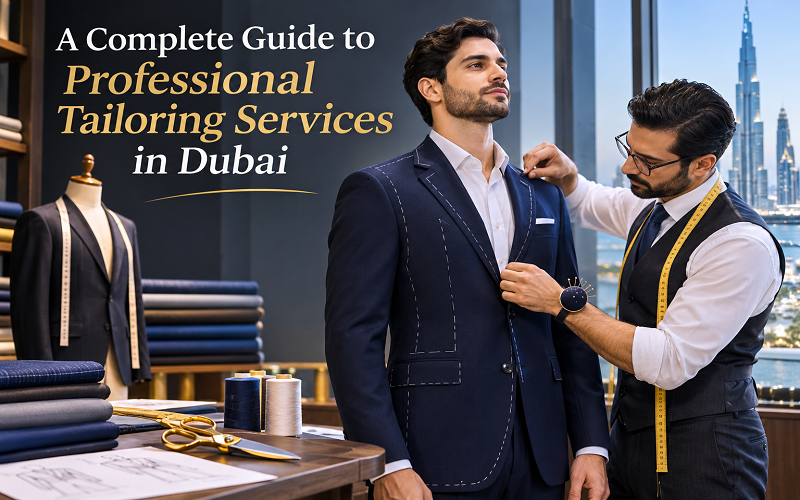
Finding the right tailor is about more than selecting a fabric or choosing a design. A well-tailored garment should provide comfort, complement your body shape, reflect your personal style, and suit its intended purpose. Whether you need professional office attire, traditional clothing, formalwear, or everyday outfits, understanding the fundamentals of tailoring can help you make informed decisions.
Dubai’s diverse lifestyle and professional environment have created demand for quality tailoring and garment alterations. From beginners exploring custom clothing to professionals seeking a consistent wardrobe, knowing what to look for when choosing a Tailor in Dubai can make a significant difference in the final result.
Why Professional Tailoring Matters
Ready-made clothing is designed around standard sizing, which may not accommodate everyone’s proportions. Professional tailoring addresses these differences through accurate measurements, appropriate fabric selection, and careful construction.
Some key benefits of professional tailoring include:
- Improved fit: Garments are adjusted to suit individual body measurements.
- Greater comfort: Proper proportions allow easier movement throughout the day.
- Personalised styling: Customers can choose designs, cuts, fabrics, and finishing details.
- Better garment longevity: Appropriate construction and alterations can help clothing maintain its shape.
- Professional appearance: Well-fitted clothing creates a neat and balanced overall look.
These advantages make professional tailoring relevant for business owners, working professionals, and individuals who value clothing that fits properly.
What to Consider When Choosing the Best Tailor in Dubai
Choosing the Best Tailor in Dubai requires evaluating more than appearance or pricing. Several practical factors can help determine whether a tailoring professional can meet your expectations.
- Measurement Accuracy and Fitting
Accurate measurements are the foundation of a well-fitted garment. A professional tailor should consider shoulder width, chest, waist, sleeve length, trouser measurements, and overall body proportions.
For custom garments, the fitting process may involve an initial measurement session followed by one or more trials. These fittings help identify adjustments before the garment is completed.
- Fabric Knowledge and Selection
Fabric influences a garment’s appearance, comfort, durability, and maintenance requirements. The appropriate material depends on the garment’s purpose and the climate in which it will be worn.
For Dubai’s warm weather, breathable fabrics such as cotton, linen, and lightweight wool blends are often practical choices. Heavier materials may be more suitable for structured formalwear or specific occasions.
- Stitching Quality and Finishing
Good tailoring involves attention to construction details. Before choosing a tailor, consider examining completed garments for:
- Straight and consistent stitching.
- Neatly finished seams and edges.
- Properly aligned buttons and buttonholes.
- Secure hems and closures.
- Symmetrical collars, cuffs, and pockets.
These details indicate the level of care involved in garment construction.
Understanding Tailoring Services in Dubai
The range of Tailoring Services in Dubai extends beyond creating garments from scratch. Different services address different clothing requirements, making it useful to understand the available options.
Custom Clothing and Made-to-Measure Garments
Custom tailoring involves creating clothing according to individual measurements and style preferences. Made-to-measure garments typically adapt an existing pattern to the customer’s measurements.
Both approaches can offer a more personalised fit than standard ready-made clothing.
Clothing Alterations and Repairs
Alteration services help improve the fit of existing garments without requiring an entirely new outfit. Common adjustments include:
- Shortening or lengthening trousers.
- Adjusting waistbands and sleeve lengths.
- Reshaping dresses and jackets.
- Replacing zippers and buttons.
- Repairing seams and minor fabric damage.
Timely alterations can also help extend the useful life of clothing.
Formalwear and Business Attire
Business suits, formal shirts, trousers, and occasion wear often require precise measurements and structured construction. A suitable tailoring approach considers the garment’s intended use, movement requirements, and desired appearance.
Finding a Tailor in Al Nahda and Al Qusais
Location can be an important consideration when selecting tailoring services, particularly when multiple fittings or follow-up alterations are required.
Residents looking for a Tailor in Al Nahda may prioritise convenient access, reliable turnaround times, and services for everyday clothing as well as formal garments.
Similarly, those searching for a Tailor in Al Qusais may benefit from comparing local tailoring options based on craftsmanship, measurement procedures, fabric knowledge, and the range of available services.
Regardless of location, it is worth considering the following before making a decision:
- Check the tailor’s experience with your required garment type.
- Ask about the measurement and fitting process.
- Confirm the estimated completion time.
- Understand alteration and adjustment policies.
- Review examples of previous tailoring work, where available.
How to Prepare for a Tailoring Appointment
A little preparation can make the tailoring process more efficient and help communicate your expectations clearly.
Before visiting a tailor:
- Bring a reference photograph or an existing garment with your preferred fit.
- Decide whether you need a slim, regular, or relaxed fit.
- Consider the garment’s intended use and frequency of wear.
- Discuss fabric preferences and maintenance requirements.
- Communicate any specific fitting concerns.
Clear communication reduces misunderstandings and helps ensure the finished garment meets practical requirements.
Frequently Asked Questions (FAQs)
- How do I choose the right tailor in Dubai?
Consider measurement accuracy, stitching quality, fabric knowledge, previous work, service options, and the tailor’s ability to understand your requirements.
- What types of tailoring services are available in Dubai?
Common services include custom clothing, made-to-measure garments, clothing alterations, repairs, formalwear, and adjustments to existing outfits.
- Is custom tailoring better than ready-made clothing?
Custom tailoring offers greater control over measurements, fabric, and design. Ready-made clothing may be more convenient, but it can require alterations to achieve a suitable fit.
- What should I look for when choosing a Tailor in Al Nahda or Al Qusais?
Evaluate craftsmanship, convenience, turnaround time, fitting procedures, and experience with the specific garments you need.
- How many fittings are required for a custom garment?
The number depends on the garment’s complexity and construction. A straightforward garment may require fewer fittings, while structured formalwear may need additional adjustments.
Conclusion
Choosing a professional tailor involves understanding fit, fabric, construction quality, and the tailoring process. Whether you are exploring custom clothing, updating your business wardrobe, or repairing existing garments, informed decisions can improve both comfort and appearance.
Related posts