Integrated Architectural Surface Solutions for Modern UAE Projects
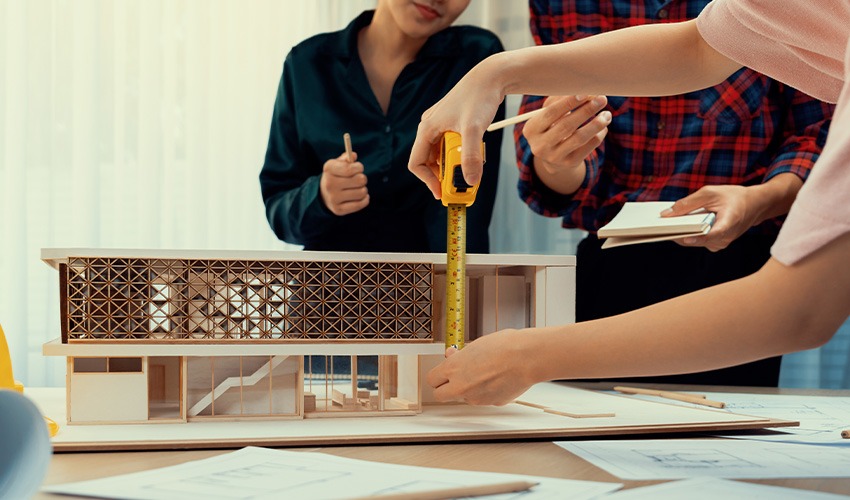
Across the UAE, architectural projects increasingly emphasize performance, durability, and visual clarity. From commercial offices to hospitality and industrial environments, material selection directly influences acoustic comfort, safety, and long-term maintenance. For beginners and professionals alike, understanding how integrated surface systems function is essential for informed decision-making.
This article explores key architectural components—acoustic treatments, framing systems, bonding technologies, and entrance solutions—commonly specified in modern developments.
Acoustic Performance in Contemporary Interiors
Noise management is a critical factor in workplaces, public venues, and residential buildings. Acoustic Wood Panels in Dubai are widely used to reduce sound reflection while maintaining a refined architectural appearance. These panels combine absorptive backing materials with engineered wood finishes to control reverberation and echo.
Common applications include:
- Corporate offices and meeting rooms
- Auditoriums and educational spaces
- Hospitality and leisure environments
Acoustic Design Panels in UAE
Beyond wood-based systems, Acoustic Design panels in UAE encompass a broader category of sound-control solutions. These panels are selected based on space function, sound frequency requirements, and installation constraints.
Key considerations when specifying acoustic panels:
- Sound absorption coefficients
- Fire and moisture resistance
- Integration with lighting and HVAC systems
Structural and Framing Components
Aluminium framing systems are fundamental to modern construction due to their strength-to-weight ratio and corrosion resistance. Working with a reliable Aluminium Frame Supplier Sharjah ensures access to profiles suitable for partitions, façades, and interior structures.
Advantages of aluminium framing include:
- High structural stability
- Design flexibility and precision
- Compatibility with glass, panels, and composite materials
For business owners and contractors, sourcing consistent-quality frames supports efficient installation and long-term performance.
Bonding Technologies in Manufacturing
Traditional mechanical fasteners are increasingly complemented—or replaced—by advanced bonding systems. Adhesive Bonding Manufacturing enables clean joins, improved load distribution, and reduced material stress.
Industries using adhesive bonding solutions often benefit from:
- Enhanced aesthetic finish without visible fasteners
- Improved vibration and fatigue resistance
- Compatibility with dissimilar materials
Understanding bonding specifications, curing time, and environmental resistance is essential for ensuring reliable results in architectural and industrial applications.
Entrance Safety and Cleanliness Systems
Entrance areas serve as the first point of contact for any building and play a functional role in safety and cleanliness. Entrance mat Installation Dubai is commonly specified to manage dust, moisture, and foot traffic in commercial and public spaces.
Effective entrance mat systems help:
- Reduce slip and fall risks
- Protect interior flooring
- Improve indoor air quality by trapping debris
Selection typically depends on traffic volume, climate exposure, and maintenance requirements.
Integrating Systems for Project Efficiency
Successful projects rarely rely on a single material or system. Acoustic treatments, framing solutions, bonding technologies, and entrance systems work best when planned collectively during the design and specification stage.
Professionals should evaluate:
- Compatibility between materials
- Installation sequencing
- Lifecycle performance and maintenance needs
This integrated approach supports cost control, performance consistency, and long-term asset value.
Related posts