Modern Electroplating and Anodizing Techniques Explained
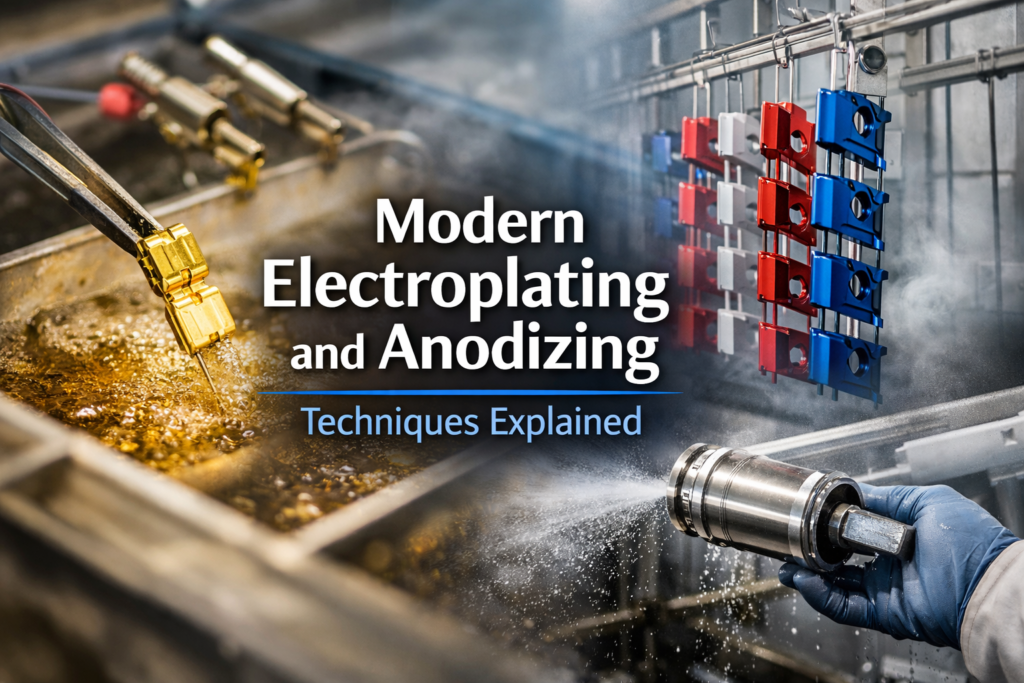
Surface finishing plays a critical role in enhancing the durability, appearance, and performance of metal components across industries. From small-scale experimentation to industrial-scale manufacturing, techniques such as electroplating, anodizing, and electro less plating are widely used to achieve corrosion resistance, electrical conductivity, and decorative appeal. In markets such as the UAE, demand continues to grow for decorative coatings Dubai applications and advanced functional finishes across construction, electronics, and consumer goods.
This article provides a practical, technical overview of modern electroplating and anodizing methods, tailored for beginners, professionals, and business owners seeking foundational and applied knowledge.
Understanding Electroplating Processes
Electroplating is an electrochemical process in which a metal coating is deposited onto a substrate using an electric current. The technique is valued for both functional and aesthetic applications. Interest in electroplating silver at home has increased among hobbyists and small workshops. While the core principle is straightforward—using a power source, electrolyte, and silver anode—there are limitations to consider:
- Strict control of voltage and current density is required
- Chemical handling and waste disposal must follow safety guidelines
- Coating thickness and adhesion are difficult to standardize
Home setups are suitable for learning fundamentals but are not a replacement for controlled industrial environments.
Tin Electroplating Solution and Industrial Uses
A tin electroplating solution is commonly used to improve solder ability, corrosion resistance, and food-safe applications. Tin coatings are especially relevant in:
- Electrical connectors and terminals
- Packaging and container components
- Automotive and industrial fasteners
Process consistency, bath chemistry, and post-treatment steps are critical to ensure performance and longevity.
Gold and Nickel Plating Applications in the UAE
Gold plating in Dubai is widely used in electronics, luxury hardware, and architectural detailing. Beyond aesthetics, gold provides excellent conductivity and resistance to oxidation, making it ideal for precision components and high-end finishes.
Key considerations include substrate preparation, thickness control, and cost optimization, particularly for large-scale applications.
Electro less Nickel Plating in UAE: Uniform Performance
Electro less nickel plating in UAE applications are valued for their uniform coating thickness, even on complex geometries. Unlike electrolytic methods, electro less processes do not require an external electric current.
Benefits include:
- Superior wear and corrosion resistance
- Consistent thickness on internal surfaces
- Enhanced hardness after heat treatment
These properties make electro less nickel suitable for aerospace, oil and gas, and precision engineering sectors.
Anodizing as a Surface Engineering Solution
Anodizing is an electrochemical process primarily used for aluminium, forming a controlled oxide layer that enhances surface properties. Anodizing in UAE is commonly applied in construction, transportation, and consumer products due to its balance of durability and visual appeal. The anodized layer is integral to the metal, reducing the risk of peeling or flaking.
Typical advantages include:
- Improved corrosion resistance
- Enhanced surface hardness
- Compatibility with colouring and sealing processes
Role of Anodizing Companies in Dubai
Experienced anodizing companies in Dubai focus on process control, environmental compliance, and finish consistency. Factors such as electrolyte composition, temperature, and sealing methods directly influence coating quality and lifespan.
Choosing the Right Surface Finishing Method
Selecting between electroplating, electro less plating, and anodizing depends on application requirements rather than aesthetics alone. Decision-makers should evaluate:
- Environmental exposure and corrosion risk
- Electrical or thermal conductivity needs
- Mechanical wear and friction considerations
- Regulatory and sustainability requirements
Understanding these parameters helps align surface treatment choices with performance expectations and lifecycle costs.
Related posts