Essential Guide to Tire Maintenance and Replacement Sharjah
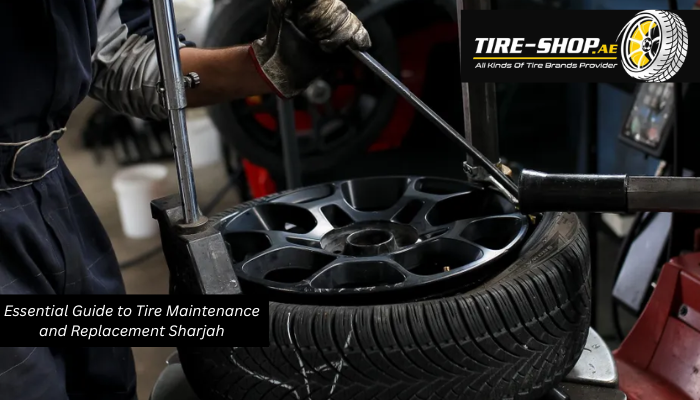
Proper tire maintenance is essential for vehicle safety, fuel efficiency, and overall driving performance. Whether you are a beginner driver, a seasoned professional, or a business owner managing a fleet, understanding tire care and replacement practices can help prevent costly repairs and improve vehicle reliability—especially in demanding environments like Sharjah.
Why Tire Maintenance Is Critical for Vehicle Performance
Tires are the only point of contact between your vehicle and the road. Their condition directly affects braking, steering control, and ride stability. Regular inspection and maintenance help ensure your vehicle operates safely and efficiently.
Key benefits of proper tire care include:
- Improved braking and shorter stopping distances
- Enhanced fuel efficiency through reduced rolling resistance
- Better steering responsiveness and vehicle stability
- Extended lifespan of both tires and suspension components
Many drivers underestimate how quickly climate, road conditions, and driving habits can affect a car tire Sharjah, making routine inspections essential.
Signs You Need a New Tire or Replacement
Recognizing early warning signs can prevent unexpected tire failure and unsafe driving conditions. If you notice any of the following issues, it may be time to consider a new tire Sharjah.
Common Warning Indicators:
- Uneven or excessive tread wear
- Cracks or bulges on the tire sidewall
- Frequent air pressure loss
- Vibrations while driving at moderate speeds
Ignoring these signs can compromise vehicle safety and increase long-term maintenance costs.
Understanding the Role of Professional Tyre Suppliers
Reliable tyre suppliers in sharjah play a critical role in ensuring drivers have access to tires suited to their vehicle type and driving needs. Not all tires perform equally, and selecting the correct specifications improves safety and efficiency.
Factors to consider when choosing tires:
- Tire size and compatibility with your vehicle
- Driving conditions (urban, highway, or off-road)
- Climate suitability, especially for hot environments
- Durability and tread design
For business owners managing fleets, selecting the right tire type improves operational efficiency and reduces downtime.
Importance of Wheel Alignment and Balanced Wheels
Wheel alignment ensures your tires meet the road at the correct angle, preventing uneven wear and improving handling. Poor alignment can shorten tire lifespan and negatively impact vehicle performance.
Professional wheel alignment Sharjah services help correct issues such as:
- Vehicle pulling to one side
- Uneven tire wear patterns
- Off-center steering wheel
- Reduced fuel efficiency
Regular alignment checks are especially important after installing new tires or driving over potholes and rough surfaces.
When to Consider Rims Repair or Replacement
Wheel rims play a structural role in supporting tires and maintaining air pressure. Damaged rims can lead to air leaks, vibration, and reduced handling precision.
Situations requiring professional attention include:
- Bent rims from pothole impacts
- Visible cracks or corrosion
- Air leakage unrelated to tire damage
Professional rims repair Sharjah services can restore structural integrity when damage is minor. However, severe structural damage may require complete rims replacement Sharjah to ensure safe driving conditions.
Balancing Cost and Quality When Selecting Tires
While many drivers search for a cheap tire in Sharjah, it is important to balance affordability with safety and durability. Low-cost tires may offer short-term savings but often wear faster or perform poorly in demanding conditions.
A well-informed tire selection considers:
- Tread life expectancy
- Heat resistance for local climate conditions
- Performance requirements based on driving habits
- Long-term maintenance costs
Choosing quality tires improves safety, performance, and overall cost efficiency over time.
Best Practices for Long-Term Tire Care
Proper maintenance extends tire lifespan and ensures optimal performance.
Recommended maintenance practices:
- Check tire pressure monthly
- Rotate tires every 8,000–10,000 kilometres
- Perform alignment checks regularly
- Inspect rims and tires for visible damage
Consistent maintenance reduces the likelihood of unexpected failures and improves overall driving safety.
Frequently Asked Questions (FAQs)
- How often should I replace my car tires?
Most tires should be replaced every 40,000–60,000 kilometres or when tread depth falls below recommended safety limits.
- What causes uneven tire wear?
Common causes include poor wheel alignment, improper tire pressure, and suspension issues.
- Can damaged rims be repaired instead of replaced?
Minor bends and cosmetic damage can often be repaired, but severe structural damage requires replacement for safety.
- How often should wheel alignment be checked?
It is recommended to check alignment every 10,000 kilometres or whenever you notice steering or handling issues.
- Are cheaper tires safe for daily driving?
Affordable tires can be safe if they meet quality standards and match your vehicle’s specifications. Always prioritize safety and compatibility.
Related posts