
How Modern Surface Finishing Processes Improve Metal Durability
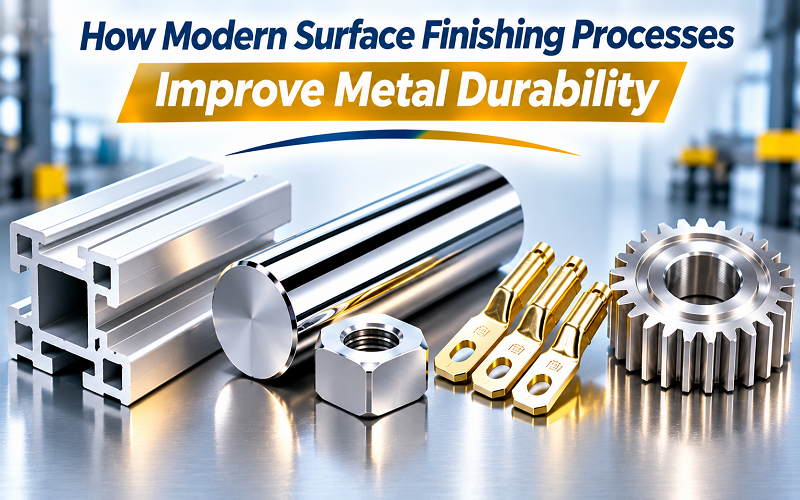
Metal components are widely used in construction, automotive manufacturing, industrial equipment, electrical applications, and consumer products. However, exposure to moisture, chemicals, friction, and environmental conditions can gradually affect their appearance and performance. Surface finishing processes help protect metal components, improve corrosion resistance, and enhance their functional properties.
In industrial markets such as the UAE, where high temperatures, humidity, and demanding operating environments can influence material performance, selecting an appropriate metal finishing process is particularly important. Techniques such as anodizing, chrome plating, tin electroplating, and nickel plating offer different protective and functional benefits.
Understanding these processes helps manufacturers, engineers, and businesses select suitable surface treatments for their applications.
Understanding the Importance of Industrial Metal Finishing
Metal finishing involves modifying the surface of a component to improve its physical, chemical, or aesthetic characteristics. Depending on the application, finishing may provide corrosion protection, improved wear resistance, electrical conductivity, or a more attractive appearance.
Common objectives of metal surface finishing include:
- Protecting components against oxidation and corrosion.
- Improving resistance to friction and surface wear.
- Enhancing appearance through decorative finishes.
- Supporting electrical and thermal performance.
- Increasing the service life of manufactured products.
- Improving surface compatibility with specific applications.
The correct process depends on the base metal, component design, operating environment, and required performance standards.
Anodizing in Dubai: Improving Aluminium Protection
Anodizing in Dubai is an important surface treatment for aluminium components used in architectural, industrial, automotive, and commercial applications.
Unlike conventional coatings that are simply deposited onto a surface, anodizing is an electrochemical process that converts the aluminium surface into a controlled aluminium oxide layer. This layer improves corrosion resistance and can also provide better wear characteristics.
How Does the Anodizing Process Work?
The process generally involves several stages:
- Surface preparation: Aluminium components are cleaned to remove oils, dirt, and contaminants.
- Chemical treatment: Depending on the required finish, the surface may undergo etching or other preparation.
- Electrochemical treatment: The component is placed in an electrolyte bath and subjected to an electrical current.
- Colouring: If required, dyes or other colouring methods can be used to achieve a particular appearance.
- Sealing: The porous oxide layer is sealed to improve its protective properties.
Anodized aluminium is commonly used in window frames, architectural panels, machinery components, and decorative installations. The final performance depends on coating thickness, alloy composition, process control, and sealing quality.
Chrome Plating Dubai: Enhancing Appearance and Surface Performance
Chrome plating Dubai is a metal finishing process used to deposit a thin chromium layer onto a prepared component through electrochemical treatment.
Chrome plating is commonly associated with its reflective appearance, hardness, and surface durability. However, different types of chrome plating serve different purposes.
Types of Chrome Plating
Decorative chrome plating: Usually involves a nickel underlayer followed by a thin chromium deposit. It provides a bright, attractive finish and additional surface protection.
Hard chrome plating: Deposits a thicker chromium layer to improve wear resistance and surface hardness. It is used in industrial components such as hydraulic rods, shafts, and machinery parts.
Important factors when selecting chrome plating include:
- Required coating thickness.
- Surface preparation and component geometry.
- Corrosion and wear requirements.
- Operating temperature and working conditions.
- Applicable environmental and safety standards.
Proper process control is essential because plating quality depends on surface cleanliness, bath chemistry, current density, and treatment conditions.
Tin Electroplating Solution: Applications in Modern Manufacturing
A tin electroplating solution is used to deposit a controlled layer of tin onto metal surfaces. Tin plating is particularly relevant to electrical, electronic, packaging, and industrial manufacturing applications.
Tin offers useful properties, including corrosion resistance, solderability, and compatibility with several manufacturing processes.
Where Is Tin Electroplating Used?
Common applications include:
- Electrical connectors and terminals.
- Electronic components and circuit-related applications.
- Metal packaging materials.
- Industrial contact components.
- Components requiring improved solderability.
The composition of a tin electroplating bath depends on the required coating characteristics and production process. Proper monitoring of solution chemistry, temperature, electrical conditions, and contamination levels helps maintain consistent coating quality.
Manufacturers should also consider coating thickness and the possibility of tin whisker formation in applications where electrical reliability is critical.
Nickel Plating in UAE: Improving Corrosion and Wear Resistance
Nickel plating in UAE is relevant to industries that require metal components with improved surface protection, durability, and functional performance.
Nickel coatings are commonly applied to steel, copper alloys, and other suitable substrates. Depending on the process, nickel plating can provide corrosion resistance, surface hardness, and improved wear characteristics.
Common Types of Nickel Plating
Electroless nickel plating: Uses a chemical reduction process rather than an external electrical current. It can produce relatively uniform coatings, including on complex component geometries.
Electrolytic nickel plating: Uses an electrical current to deposit nickel onto a conductive surface. Coating characteristics can be adjusted through bath chemistry and operating conditions.
Nickel plating is used in automotive components, industrial machinery, engineering equipment, electrical parts, and precision manufacturing.
When selecting a nickel coating, manufacturers should evaluate substrate compatibility, coating thickness, hardness requirements, corrosion exposure, and intended service conditions.
Choosing the Right Metal Finishing Process
Selecting an appropriate surface treatment requires a clear understanding of the component’s purpose and operating environment.
Before choosing a process, manufacturers should evaluate:
- Base material: Confirm compatibility between the substrate and finishing method.
- Environmental exposure: Consider moisture, chemicals, temperature, and corrosive conditions.
- Performance requirements: Identify the required hardness, conductivity, appearance, or wear resistance.
- Component geometry: Complex shapes may require specialised treatment methods.
- Quality standards: Define coating thickness, adhesion, inspection, and testing requirements.
Working with appropriate technical specifications helps maintain consistency and reduces the possibility of coating defects.
Conclusion
Industrial surface finishing plays an important role in improving metal performance, protecting components, and extending their useful life. Anodizing, chrome plating, tin electroplating, and nickel plating each offer distinct advantages for different manufacturing requirements.
Businesses should select finishing methods according to material compatibility, operating conditions, technical specifications, and quality expectations. Understanding these processes supports better manufacturing decisions and helps maintain reliable performance across industrial applications.
Frequently Asked Questions
- What is the main purpose of anodizing aluminium?
Anodizing creates a controlled aluminium oxide layer that improves corrosion resistance, surface durability, and decorative appearance.
- What is the difference between decorative chrome plating and hard chrome plating?
Decorative chrome plating provides an attractive reflective finish, usually over nickel, while hard chrome plating creates a thicker chromium layer primarily for wear resistance and industrial performance.
- What industries use tin electroplating solutions?
Tin electroplating is used in electronics, electrical manufacturing, metal packaging, connectors, and applications where solderability and corrosion resistance are important.
- What are the benefits of nickel plating?
Nickel plating can improve corrosion resistance, surface hardness, wear performance, and appearance. Its suitability depends on the coating type and application requirements.
- How do manufacturers choose the right metal plating process?
Manufacturers evaluate the base material, required coating properties, operating environment, component geometry, coating thickness, and relevant quality standards before selecting a finishing process.
Related posts