How to Choose Reliable Tent Rentals for UAE Events
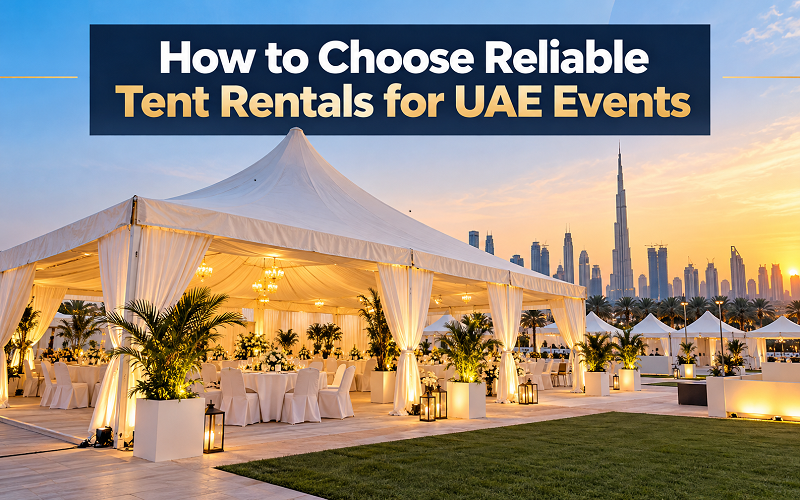
Tents play an important role in outdoor events, seasonal gatherings, business functions, and temporary accommodation across the United Arab Emirates. From private celebrations to corporate exhibitions and community activities, a well planned tent setup provides shade, shelter, and an organised space for guests. However, choosing the right structure requires careful consideration of weather conditions, event requirements, available space, and safety standards.
The demand for tents rental in UAE continues to serve different sectors, including hospitality, construction, retail, and event management. Understanding the available options helps individuals and businesses make informed decisions, manage costs, and create functional outdoor spaces.
Understanding Different Types of Rental Tents
Before arranging a rental, it is important to identify the purpose of the structure. Different tent designs offer different levels of protection, capacity, and flexibility.
- Event and Party Tents
Event tents are commonly used for weddings, private celebrations, corporate gatherings, and outdoor dining. They are available in different sizes and configurations to accommodate seating arrangements, catering stations, entertainment areas, and reception spaces.
When selecting an event tent, consider the number of guests, furniture requirements, ventilation, lighting, and access points.
- Temporary Commercial Tents
Businesses often use temporary tents for exhibitions, product displays, promotional activities, and seasonal operations. These structures can create additional working or customer areas without requiring permanent construction.
A suitable tent should provide sufficient usable space, convenient entry and exit points, and a layout that supports the intended activity.
- Ramadan Tents
Seasonal gatherings during Ramadan require spaces that can accommodate dining, hospitality, and community activities. Businesses, hotels, and event organisers may arrange Ramadan rent tents to create dedicated areas for iftar gatherings and other seasonal functions.
These tents may require additional planning for air conditioning, food service, lighting, washroom access, and guest movement. Organisers should also check applicable local permissions and safety requirements before installation.
What to Consider Before You Rent a Tent in UAE
Choosing a rental tent involves more than comparing prices. The following factors can help ensure that the structure meets practical requirements.
Size and Capacity
Estimate the expected number of guests or users before selecting a tent. Allow enough space for seating, walkways, equipment, and service areas. A tent that fits the exact number of chairs may still feel overcrowded once tables and other facilities are installed.
For commercial applications, consider equipment dimensions, storage requirements, and the movement of staff or visitors.
Weather Protection and Ventilation
The UAE experiences high temperatures during much of the year, making heat management an important consideration. Depending on the season and location, wind, dust, and occasional rain may also affect outdoor installations.
Before arranging a rental, check the following:
- Suitability of the tent material for the expected weather.
- Availability of ventilation and cooling systems.
- Stability of the frame and anchoring arrangements.
- Protection against dust and moisture.
- Safe electrical installations for lighting and cooling equipment.
The required protection will depend on the location, duration of use, and type of event.
Installation and Safety
Professional installation helps ensure that the tent is assembled according to its design and site conditions. The ground should be assessed before installation, particularly where anchoring may be affected by underground utilities, paving, or restricted access.
Organisers should confirm that emergency exits remain accessible, electrical cables are safely positioned, and the structure does not obstruct pedestrian or vehicle movement.
Tents Rental in Dubai: Planning for Urban Events
Arranging tents rental in Dubai requires attention to site access, surrounding buildings, traffic movement, and local regulations. Events held at hotels, commercial properties, residential communities, and temporary venues may have different installation requirements.
Before you rent tent in Dubai, confirm the available installation area and whether the venue permits temporary structures. Some locations may require advance approval, specific safety documentation, or restrictions on installation hours.
A practical planning checklist includes:
- Measuring the available space accurately.
- Confirming delivery and installation access.
- Checking venue rules and permission requirements.
- Planning guest entrances and emergency exits.
- Coordinating lighting, cooling, and power requirements.
- Agreeing on installation and dismantling schedules.
Early planning gives organisers more time to resolve site restrictions and coordinate other event services.
Choosing the Right Tent Rental Provider
When comparing providers for tents rental in UAE, assess the suitability of their equipment and installation arrangements rather than relying on price alone.
Ask prospective providers about tent dimensions, material specifications, cleaning procedures, maintenance records, anchoring methods, and the services included in the rental agreement.
It is also useful to clarify whether the quoted price covers transportation, installation, dismantling, cooling equipment, lighting, and any additional accessories. Written terms can help prevent misunderstandings about delivery times, rental duration, damage responsibilities, and cancellation conditions.
For seasonal events, book early enough to allow for site inspections and coordination. This is particularly relevant during Ramadan, when demand for suitable gathering spaces may increase.
The Role of Car Parking Shades in Outdoor Space Planning
Outdoor planning often extends beyond event tents. Parking areas also require protection from direct sunlight and heat, particularly at commercial buildings, residential developments, offices, and public facilities.
A Car Parking Shades Supplier in UAE can help property owners evaluate suitable shade structures according to parking capacity, site dimensions, material requirements, and exposure to local weather conditions.
Unlike temporary event tents, car parking shades are generally designed for longer-term use. Their planning may involve structural foundations, wind-load considerations, vehicle clearance, drainage, and applicable building approvals.
When selecting a parking shade system, consider:
- The number and dimensions of parking spaces.
- Fabric durability and resistance to ultraviolet radiation.
- Frame materials and corrosion protection.
- Safe vehicle access and adequate clearance.
- Maintenance requirements and expected service life.
Although parking shades and event tents serve different purposes, both demonstrate the importance of selecting structures based on their intended use and environmental conditions.
Conclusion
Selecting the right tent requires a clear understanding of the event, available space, weather conditions, safety requirements, and installation arrangements. Whether organisers need temporary accommodation for a corporate function, a seasonal Ramadan gathering, or a larger outdoor celebration, careful planning helps improve comfort and operational efficiency.
By comparing specifications, reviewing rental terms, and confirming venue requirements, individuals and businesses can make better decisions when arranging a tent. The same practical approach applies to permanent outdoor shade solutions, where durability, structural design, and long-term maintenance remain essential considerations.
Frequently Asked Questions
- What should I consider before arranging tents rental in UAE?
Consider the tent size, intended use, material quality, weather protection, ventilation, installation requirements, rental duration, and total cost. Confirm any venue permissions before booking.
- When should I book Ramadan rent tents?
It is advisable to begin planning several weeks or months before the intended event, depending on its size and complexity. Early arrangements allow time for site inspections, approvals, equipment selection, and installation scheduling.
- What is the difference between tents rental in Dubai and other UAE locations?
The basic selection process is similar, but site access, venue restrictions, local approval procedures, transportation, and installation conditions can vary by location. Always verify the requirements for the specific venue.
- Can I rent a tent for a corporate or commercial event?
Yes. Rental tents can be used for exhibitions, product displays, corporate gatherings, outdoor dining, and temporary commercial activities. The selected structure should match the required capacity, equipment, layout, and operating conditions.
- How do I choose a Car Parking Shades Supplier in UAE?
Evaluate the supplier’s experience, material specifications, structural design, installation methods, warranty terms, and maintenance support. Ensure that the proposed shade system meets applicable site requirements and relevant safety standards.
Related posts