
Fire Fighting Vehicles and Rescue Equipment: Design and Selection Guide
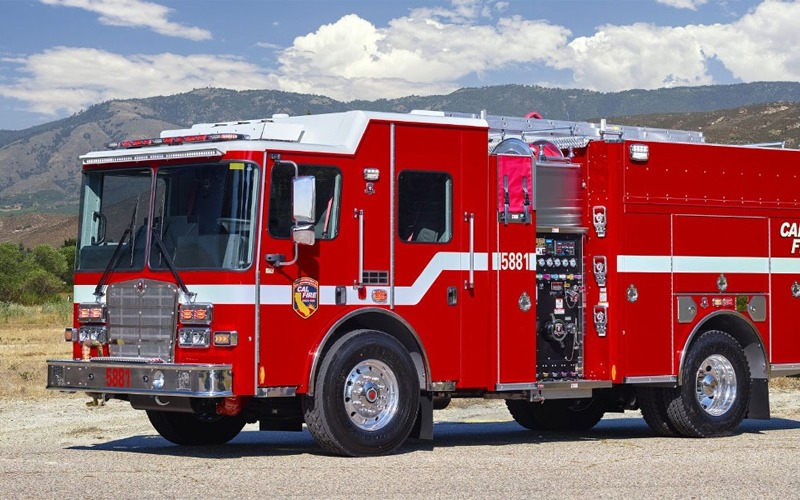
Modern emergency response relies on highly specialized vehicles and equipment engineered for speed, safety, and operational efficiency. From aerial ladder trucks to recovery vehicles and integrated fire suppression systems, the design and manufacturing of these assets demand precision, compliance with international safety standards, and advanced material engineering. Understanding the essential components and selection criteria helps fire departments, industrial facilities, and logistics operators make informed procurement decisions.
Understanding the Role of Fire Fighting Vehicles Manufacturers
Fire Fighting Vehicles Manufacturers play a critical role in building reliable apparatus that perform effectively under extreme conditions. These manufacturers combine automotive engineering, hydraulic systems, and fire suppression technologies into a unified platform.
Key engineering priorities include:
- Structural integrity: High-strength chassis capable of supporting pumps, tanks, and aerial platforms
- Operational efficiency: Optimized engine performance and transmission for rapid deployment
- Safety integration: Anti-roll stability systems, braking performance, and operator protection
- Compliance: Adherence to NFPA, EN, and local fire safety standards
Advanced manufacturing also incorporates corrosion-resistant materials, modular compartments, and ergonomic control layouts to enhance operational readiness and long-term durability.
Aerial Fire Trucks: Enhancing Vertical Rescue Capabilities
What Are Aerial Fire Trucks?
Aerial Fire Trucks are specialized vehicles equipped with extendable ladders or hydraulic platforms designed for high-rise firefighting and rescue operations. These trucks are essential in urban environments where vertical access is critical.
Key Design Features
- Hydraulic extension systems for smooth elevation
- Stabilization outriggers for operational balance
- Integrated water delivery systems at elevated heights
- Reinforced ladder construction using lightweight alloys
Operational Advantages
- Rapid access to elevated structures
- Improved firefighter safety during rescue operations
- Enhanced water delivery precision
- Effective use in industrial, commercial, and residential emergencies
These trucks are particularly valuable in dense urban infrastructure and industrial facilities where accessibility challenges are common.
Essential Components from a Fire Rescue Equipment Supplier
A reliable Fire Rescue Equipment Supplier provides not only vehicles but also integrated systems that enhance firefighting efficiency and safety.
Core Equipment Categories
Suppression Systems
- Fire pumps with high flow rates
- Hose reels and monitor systems
- Foam proportioning systems
Rescue Tools
- Hydraulic cutters and spreaders
- Breathing apparatus systems
- Thermal imaging cameras
Storage and Compartment Systems
- Modular storage for fast equipment access
- Corrosion-resistant compartment construction
- Secure mounting systems for transport stability
High-quality integration ensures that equipment remains accessible, protected, and operational during emergency deployment.
Flatbed Recovery Truck Applications in Emergency and Industrial Operations
A Flatbed Recovery Truck is essential for vehicle recovery, transport, and emergency logistics support. These vehicles provide reliable transport for damaged vehicles, heavy machinery, or disabled emergency apparatus.
Key Functional Benefits
- Safe transport without dragging or damaging equipment
- Hydraulic tilt mechanisms for efficient loading
- Heavy-duty winch systems for recovery operations
- Multi-purpose use across emergency, municipal, and industrial sectors
Flatbed recovery trucks also support fleet management by enabling rapid removal and relocation of damaged vehicles during emergencies.
Importance of Poly Water Tanks For Fire Trucks
Why Material Selection Matters
Poly Water Tanks For Fire Trucks are increasingly preferred due to their durability, corrosion resistance, and lightweight construction compared to traditional metal tanks.
Advantages of Poly Tanks
- Corrosion resistance for extended lifespan
- Reduced vehicle weight, improving fuel efficiency
- Seamless construction minimizing leakage risk
- High resistance to impact and environmental stress
Engineering Considerations
Manufacturers design poly tanks to maintain structural integrity under dynamic conditions such as vehicle motion, water surge forces, and extreme temperature variations.
Properly engineered tanks ensure consistent water availability, which is critical for uninterrupted firefighting operations.
Key Factors to Consider When Selecting Fire Fighting Vehicles and Equipment
When evaluating vehicles and rescue equipment, organizations should consider:
Performance and Reliability
- Engine power and torque capabilities
- Pump capacity and water delivery performance
- Stability and manoeuvrability
Material and Build Quality
- Corrosion-resistant materials
- Reinforced chassis and compartments
- Durable tank and structural components
Compliance and Safety Standards
- International fire safety certifications
- Operator safety systems
- Equipment mounting stability
Maintenance and Life cycle Cost
- Ease of maintenance
- Availability of spare parts
- Long-term operational efficiency
Selecting equipment based on these criteria ensures operational readiness and reduces lifecycle costs.
Future Trends in Fire Fighting Vehicle Engineering
Modern fire fighting vehicle engineering continues to evolve with advancements such as:
- Lightweight composite materials
- Automated pump control systems
- Enhanced hydraulic and aerial stabilization
- Smart diagnostics and vehicle monitoring
These innovations improve operational efficiency, safety, and response time, making emergency response more effective across diverse environments.
FAQs
- What types of vehicles do Fire Fighting Vehicles Manufacturers produce?
They produce pumpers, aerial ladder trucks, rescue vehicles, tanker trucks, and specialized emergency response units designed for firefighting and rescue operations.
- What are the main uses of Aerial Fire Trucks?
Aerial fire trucks provide elevated access for firefighting, rescue operations, ventilation, and water delivery in high-rise or inaccessible locations.
- Why are Poly Water Tanks For Fire Trucks preferred over metal tanks?
Poly tanks offer superior corrosion resistance, reduced weight, longer service life, and lower maintenance requirements compared to traditional metal tanks.
- What is the role of a Flatbed Recovery Truck in emergency services?
Flatbed recovery trucks transport damaged or disabled vehicles safely, support emergency logistics, and assist in clearing accident scenes efficiently.
- What equipment should a Fire Rescue Equipment Supplier provide?
Suppliers typically provide pumps, hoses, rescue tools, breathing apparatus, storage systems, and integrated vehicle equipment for complete firefighting solutions.
This structured approach to fire fighting vehicle design, equipment integration, and material selection ensures optimal performance, reliability, and safety in emergency response operations.
Related posts