
Responsible Surface Engineering for Modern Industrial Applications
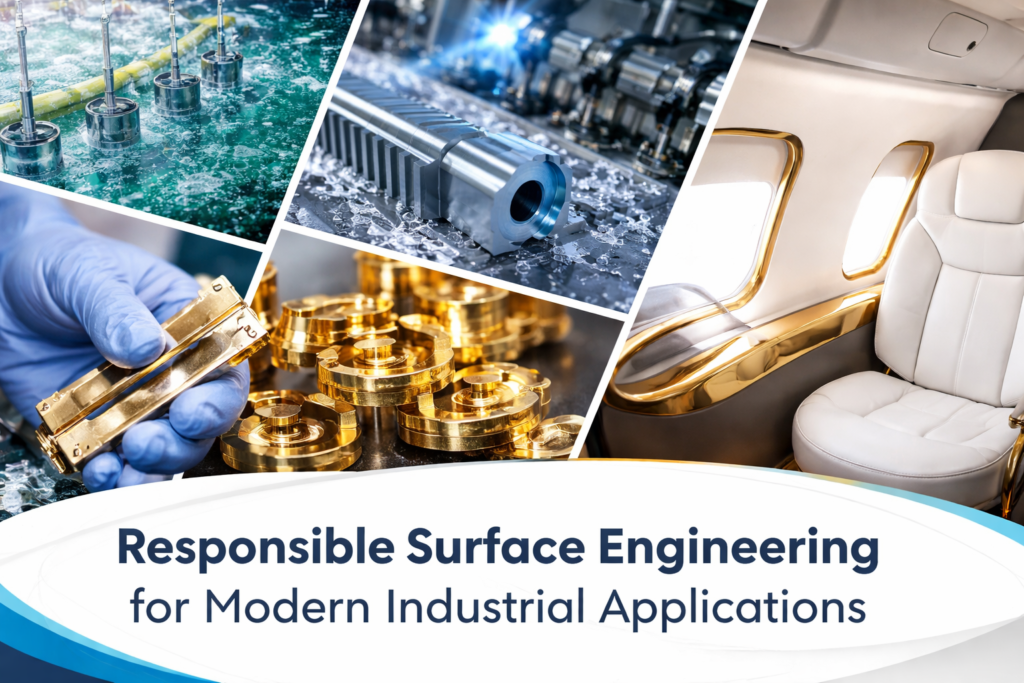
Industries across manufacturing, aviation, infrastructure, and mobility are under increasing pressure to operate responsibly while maintaining performance, safety, and quality. Environmental awareness, regulatory compliance, and long-term efficiency now influence how materials are selected and how surface treatments are applied. Rather than focusing on short-term output, organizations are prioritizing durability, reduced waste, and efficient resource usage.
Advanced surface engineering techniques such as fire door security seals, tin electroplating solution, and hard anodizing in UAE illustrate how thoughtful engineering decisions can support long-term operational efficiency. These processes help industries meet functional and regulatory expectations while reducing unnecessary material consumption and maintenance cycles.
Why Surface Engineering Matters in Modern Manufacturing
Surface treatments are critical to the performance and longevity of industrial components. A well-engineered surface reduces wear, improves corrosion resistance, and minimizes the frequency of replacement.
Key advantages of responsible surface engineering include:
- Longer service life for components
- Reduced need for raw material extraction
- Lower maintenance and repair requirements
- Improved safety and compliance performance
Processes such as decorative coatings Dubai are increasingly designed with durability and performance consistency in mind, making them suitable for demanding industrial environments.
Fire Safety and Material Efficiency in Built Environments
Fire Door Security Seals and Operational Reliability
Fire door security seals play a vital role in controlling smoke and fire spread within buildings. Beyond safety, these seals contribute to operational efficiency by improving enclosure performance and minimizing air leakage.
Their benefits include:
- Enhanced fire containment
- Improved thermal control within buildings
- Reduced strain on HVAC systems
- Long service intervals with minimal degradation
By using high-quality fire door security seals, facilities can achieve consistent safety performance without frequent replacement or material waste.
Electroplating Technologies and Resource Optimization
Tin Electroplating Solution in Industrial Applications
Tin electroplating solution is widely used across electrical, mechanical, and industrial manufacturing sectors. Its ability to protect base metals while maintaining conductivity makes it a practical choice for components that must perform reliably over time.
Key characteristics include:
- Effective corrosion protection
- Compatibility with reprocessing and refurbishment
- Lower coating thickness compared to alternative finishes
Modern electroplating operations emphasize controlled chemical use, efficient rinsing systems, and responsible waste management to improve overall process efficiency.
Decorative Coatings With Long-Term Performance Value
Decorative coatings Dubai are no longer applied solely for appearance. Today, these coatings are engineered to deliver consistent finishes under harsh environmental and mechanical conditions.
Performance-driven decorative coatings offer:
- High resistance to abrasion and surface wear
- Color and finish stability over extended periods
- Reduced need for recoating or refinishing
These characteristics support long-term asset value and reduce operational interruptions.
Hard Anodizing and High-Performance Aluminum Surfaces
Hard anodizing in UAE is widely used for aluminum components that require enhanced hardness and corrosion resistance. Unlike surface-applied coatings, hard anodizing modifies the aluminum itself, creating a durable oxide layer.
Advantages include:
- Increased surface hardness without added material
- Excellent resistance to corrosion and friction
- Lightweight performance suitable for transport industries
This process is commonly applied in aerospace, automotive, and industrial equipment manufacturing where durability and precision are essential.
Advanced Plating in Aircraft Interior Applications
Aircraft Interior Plating and Performance Requirements
Aircraft interior plating in UAE demands exceptional quality standards due to strict safety, weight, and durability requirements. Surface finishes used in aviation interiors must withstand frequent use while maintaining appearance and compliance.
Key considerations include:
- Lightweight finishes to support operational efficiency
- Long service life to reduce component turnover
- Compliance with aviation safety and material standards
These same principles are increasingly influencing premium automotive interiors and high-end mobility solutions.
Shared Engineering Principles Across Mobility Industries
Although surface engineering is rooted in manufacturing, its principles extend into mobility-related sectors, including luxury transport services. In these industries, durability, appearance retention, and material efficiency are equally critical.
Common engineering priorities include:
- Minimizing component replacement cycles
- Selecting finishes with proven long-term performance
- Reducing downtime caused by surface degradation
Such cross-industry alignment reflects a broader shift toward responsible engineering practices.
Practical Steps for Adopting Responsible Surface Solutions
Organizations looking to improve efficiency and compliance through surface engineering can consider the following actions:
- Evaluate surface treatments based on lifecycle performance
- Prioritize processes that reduce maintenance frequency
- Work with partners experienced in regulated environments
- Implement quality control systems to ensure coating consistency
These steps help organizations balance performance requirements with responsible operational practices.
Suggested Internal Linking Opportunities
To enhance content depth and user engagement, relevant internal links may include:
- Electroplating and surface treatment process guides
- Fire safety and architectural protection solutions
- Aerospace and transport interior engineering topics
- Industrial compliance and material standards resources
Such internal connections support topical authority and improve site navigation.
Related posts