
Sustainable Learning Ecosystems Supporting Future Ready Global Education
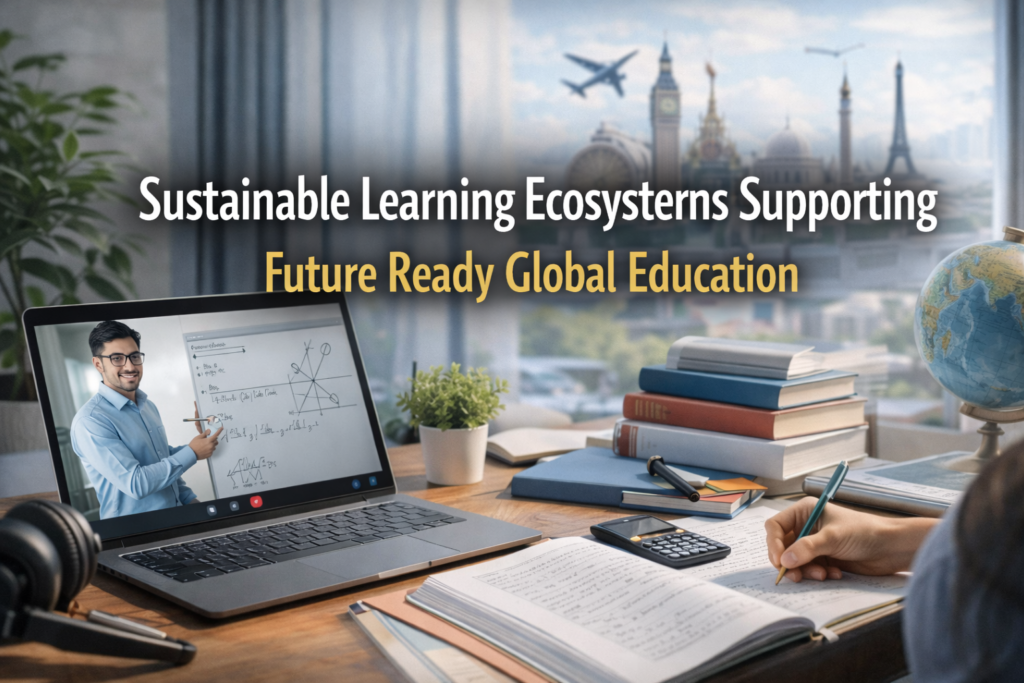
Sustainability has become a core principle across modern industries, influencing how systems are designed, resources are used, and long-term value is created. Education is no exception. As students and institutions increasingly engage with global curricula and international opportunities, learning models must balance quality with responsible resource use. Learners enrolled in SAT Test Preparation in bahrain and other international programs are already part of this shift, relying on digital tools, structured guidance, and efficient academic planning to achieve results without unnecessary environmental or operational waste.
This perspective is especially relevant for beginners exploring global education, professionals working in academic services, business owners managing learning platforms, and developers building scalable education solutions.
Understanding Sustainability in Modern Education
Sustainable education focuses on long-term effectiveness rather than short-term outcomes. It prioritizes systems that reduce repetition, minimize material waste, and support consistent learning progress. Similar to how the luxury car rental industry optimizes vehicle usage and lifecycle value, education systems now aim to optimize learning pathways.
Key principles of sustainable education include:
- Efficient use of teaching and learning resources
- Reduced dependence on physical materials
- Flexible delivery models that adapt to individual needs
These principles help education providers maintain quality while managing growth responsibly.
Digital Learning as an Eco Friendly Alternative
Digital transformation has significantly reduced the environmental footprint of education. Online classrooms, virtual assessments, and cloud-based learning platforms reduce paper usage and eliminate frequent travel.
Students preparing for international exams or enrolled in structured tutoring programs increasingly depend on digital resources instead of printed textbooks. This approach mirrors sustainable practices in luxury mobility, where digital booking systems and analytics reduce unnecessary fuel use and idle assets.
Environmental and operational benefits of digital learning include:
- Lower paper and printing consumption
- Reduced commuting-related emissions
- Scalable instruction without proportional resource expansion
Personalized Tutoring and Resource Efficiency
One of the most effective sustainability strategies in education is personalization. Just as luxury mobility services tailor vehicle choices to customer needs, modern tutoring focuses on targeted instruction.
Working with an ib math private tutor in Bahrain allows learners to concentrate on specific academic gaps rather than consuming generalized content. This reduces wasted study time and improves learning efficiency, benefiting both students and educators.
Personalized tutoring supports sustainability by:
- Eliminating redundant learning activities
- Optimizing instructor time
- Improving outcomes with fewer resources
Sustainable Pathways for International Curricula
International programs such as IB, AS, and A Levels require structured, long-term planning. Sustainable academic pathways emphasize steady progress rather than intensive last-minute preparation, which often leads to burnout and inefficiency.
Students attending the Best IB MYP Tutoring Classes in Manama benefit from curriculum-aligned learning plans that promote conceptual understanding and skill development over rote memorization. This structured approach ensures consistent progress while reducing unnecessary academic pressure.
Similarly, learners enrolled in the Best AS and A Level Tutoring Classes in Manama follow clear academic roadmaps that distribute workload evenly across study periods. This mirrors sustainable asset planning in luxury mobility, where proactive maintenance reduces long-term costs.
Exam Preparation with a Sustainability Lens
Exam preparation traditionally involved extensive printed materials, repetitive testing, and intensive travel. Today, sustainable models replace these methods with adaptive digital assessments and focused feedback.
Modern exam preparation frameworks:
- Use online mock tests instead of printed papers
- Apply performance analytics to reduce unnecessary repetition
- Focus on mastery rather than volume
These strategies are widely used in structured preparation programs, ensuring that learning remains effective without excessive resource use.
Education Consulting and Responsible Decision Making
Sustainability also depends on informed guidance. In the same way that luxury mobility customers rely on expert advice to choose efficient transport solutions, students benefit from clear academic counseling.
A knowledgeable study abroad consultant in Bahrain supports sustainable education choices by helping learners select appropriate destinations, institutions, and timelines. This prevents unnecessary applications, document duplication, and financial inefficiencies while aligning academic goals with realistic outcomes.
Responsible education consulting emphasizes:
- Strategic planning over impulsive decisions
- Clear understanding of academic requirements
- Optimal use of financial and educational resources
Technology and Data Driven Learning Efficiency
Technology plays a critical role in sustainable systems. In luxury mobility, data improves fleet utilization and route planning. In education, learning analytics help identify challenges early and reduce repeated instruction cycles.
Data-driven education platforms support sustainability by:
- Tracking progress to avoid redundant assessments
- Enabling timely academic interventions
- Improving instructor effectiveness
These efficiencies lead to better outcomes with fewer resources.
Building Resilient and Adaptive Learning Ecosystems
Sustainability also means resilience. Education systems must adapt to curriculum updates, exam changes, and global disruptions without compromising learning continuity.
Resilient learning ecosystems typically include:
- Hybrid learning models combining online and in-person instruction
- Continuous educator upskilling
- Flexible curriculum delivery
These features resemble resilient luxury mobility ecosystems that adapt services without sacrificing quality.
Opportunities for Internal Knowledge Expansion
To deepen understanding, relevant internal content opportunities may include:
- Guides on sustainable digital learning practices
- Articles on international curriculum planning
- Insights into data-driven tutoring models
Such content enhances user engagement while reinforcing educational value.
Related posts