Sustainable Catering Practices Shaping Modern Events in the UAE
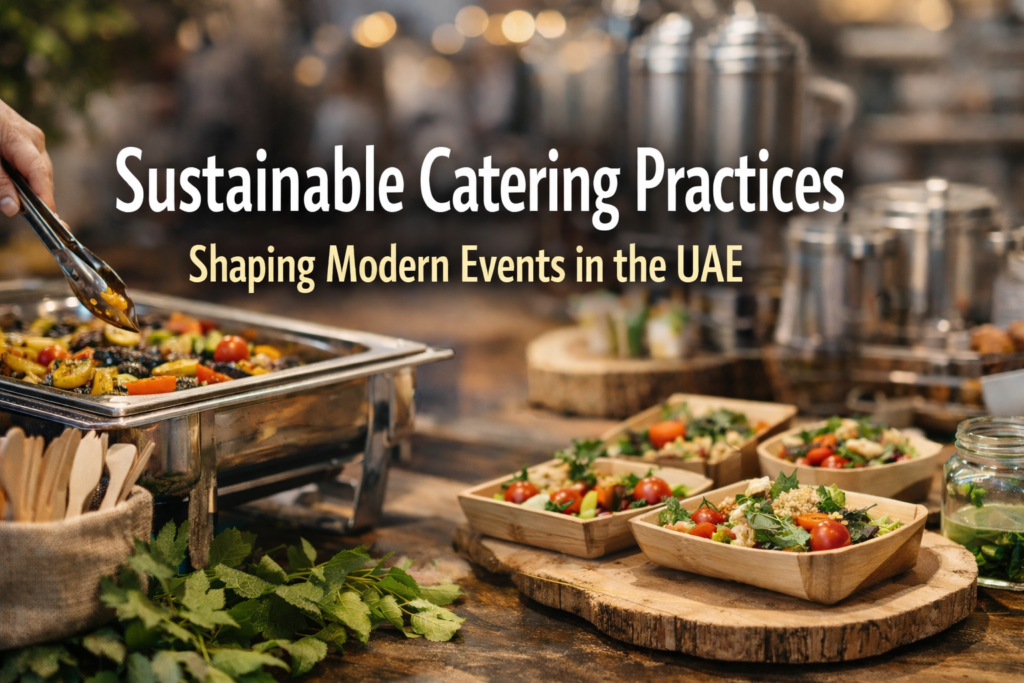
Sustainability has moved from a niche concern to a core expectation across industries in the UAE. From hospitality to logistics, organizations are rethinking how everyday decisions affect the environment, local communities, and long-term economic value. Catering and event services are no exception. As social gatherings, corporate events, and large celebrations continue to grow, sustainable catering practices now play a critical role in reducing waste, conserving resources, and supporting responsible consumption.
This shift matters to beginners exploring sustainable lifestyles, professionals managing events, business owners planning large functions, and developers building platforms for eco-friendly services. Understanding how sustainability integrates into catering and event ecosystems provides practical insights that extend far beyond food alone.
Why Sustainability Matters in Catering and Events
Catering has a measurable environmental footprint. Food sourcing, transportation, preparation, and waste management all contribute to carbon emissions and resource consumption. In regions such as Dubai and Sharjah, where events range from intimate family gatherings to large-scale weddings, even small improvements can create meaningful impact.
Sustainable catering focuses on balance. It aligns quality service with environmental responsibility while maintaining cultural and culinary authenticity.
Key sustainability challenges in catering include:
- Excess food waste from overproduction
- Single-use plastics and non-recyclable packaging
- Energy-intensive cooking methods
- Long supply chains with high transportation emissions
Addressing these challenges requires a combination of planning, technology, and awareness.
Responsible Sourcing and Menu Planning
One of the most effective ways to improve sustainability is through thoughtful sourcing. Caterers who prioritize local and seasonal ingredients reduce transportation emissions and support regional suppliers. This approach also improves freshness and menu flexibility.
In areas such as Jumeirah, demand for cheap catering in Jumeirah has encouraged innovative menu planning that balances cost efficiency with responsible sourcing. Seasonal menus allow caterers to adapt offerings while minimizing environmental strain.
Actionable practices include:
- Selecting locally available produce and proteins
- Designing menus based on seasonal availability
- Offering portion-controlled servings to reduce waste
These methods benefit both the environment and operational efficiency.
Waste Reduction Through Smarter Operations
Food waste remains one of the largest issues in event catering. Sustainable operators apply data-driven planning to estimate guest consumption accurately. This approach reduces surplus without compromising hospitality standards.
Practical waste-reduction strategies involve:
- Pre-event guest count confirmation and flexible menu adjustments
- Donation of excess edible food to approved charities
- Composting organic waste where facilities exist
At large events such as wedding catering in Dubai, waste audits after events help identify patterns and improve future planning. These insights contribute to continuous improvement rather than one-time efforts.
Energy Efficiency in Food Preparation
Catering kitchens consume significant energy through refrigeration, cooking, and storage. Energy-efficient appliances and smarter workflows can substantially reduce consumption.
Common improvements include:
- Using energy-rated cooking equipment
- Batch cooking to optimize fuel usage
- Scheduling preparation to minimize idle appliance time
Live cooking concepts, such as live BBQ in Mansoora, can also be optimized through efficient grill designs and controlled fuel usage. When managed properly, these setups reduce unnecessary reheating and food spoilage.
Sustainable Event Management Practices
Catering does not operate in isolation. It is closely linked with broader event planning decisions. Sustainable event management in Sharjah increasingly integrates catering strategies into overall environmental goals.
Examples of integrated practices include:
- Coordinating meal timings to reduce holding time
- Using reusable or biodegradable serviceware
- Planning layouts that minimize food transport distances
Event managers who collaborate early with caterers achieve better sustainability outcomes than those who treat catering as a last-stage service.
Technology and Data in Sustainable Catering
Digital tools now support sustainability goals in measurable ways. Inventory management systems track ingredient usage, while analytics tools forecast demand more accurately. These technologies reduce guesswork and help caterers align supply with actual consumption.
Developers and platform builders can contribute by:
- Creating tools for real-time inventory tracking
- Integrating sustainability metrics into event planning software
- Enabling transparent reporting on waste and sourcing
These solutions benefit not only caterers but also clients who value accountability.
Cultural Relevance and Sustainable Choices
Sustainability works best when it respects cultural preferences. In the UAE, food plays a central role in hospitality and tradition. Sustainable catering adapts responsibly without compromising authenticity.
For example, menu customization allows traditional dishes to be prepared with locally sourced alternatives. This approach preserves flavor profiles while supporting environmental goals.
Opportunities for Internal Knowledge Sharing
For content-rich platforms like delhicatering.ae, internal linking can enhance reader understanding. Relevant internal content opportunities may include:
- Articles on menu planning best practices
- Guides to waste management in food services
- Insights into regional event planning trends
These connections improve SEO while delivering additional educational value to readers.
Looking Ahead: The Future of Sustainable Catering
Sustainable catering is not a trend; it is a long-term operational shift. As regulations, consumer awareness, and technology evolve, responsible practices will become standard expectations rather than differentiators.
Professionals and business owners who understand these principles today position themselves for resilience tomorrow. By focusing on sourcing, waste reduction, energy efficiency, and collaboration, catering and event services can support both memorable experiences and a healthier environment.
Sustainability in catering ultimately reflects a broader commitment: delivering value while respecting resources. That balance defines the future of modern events in the UAE.
Related posts